As spring break 2026 approaches, many American families and students are heading to the beaches and eco-adventures in the Republic of Costa Rica.
Given this peak travel period, visitors arriving at Juan Santamaría International Airport in San José and Daniel Oduber Quirós International Airport in Liberia are advised to stay informed about health precautions.
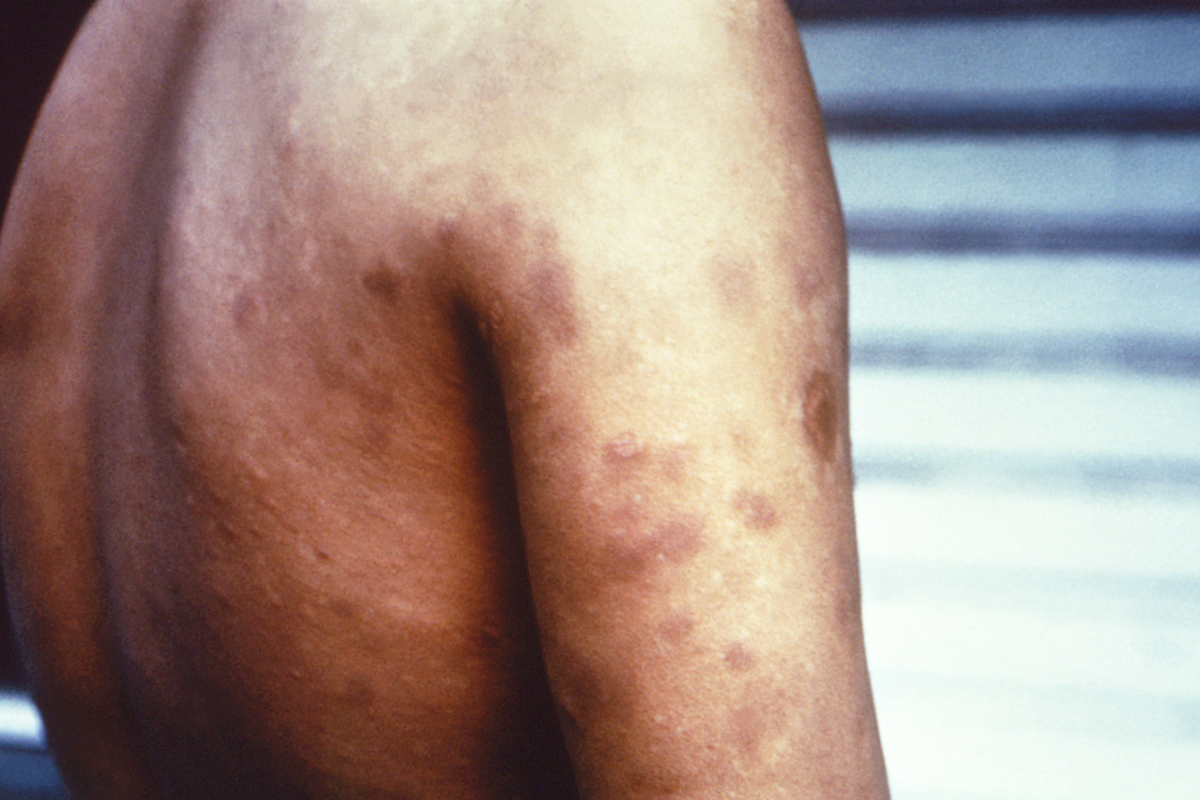
Today, the Costa Rica Ministry of Health confirmed a second case of measles in 2026. Health authorities, including teams from the Ministry of Health and the Costa Rican Social Security Fund, have activated epidemiological protocols. They are currently investigating potential sources of infection through contact tracing and risk factor analysis.
On March 9, 2026, the Ministry requested the temporary suspension of classes at Moravia High School and halted activities related to a program by the Ministry of Culture and Youth. Earlier this month, a measles patient was isolated to prevent further transmission of the virus.
Last year, there was an imported case of measles recorded in Guanacaste, involving an unvaccinated traveler from Canada.
The Costa Rica health agencies urge travelers, especially families with young children and those without up-to-date measles-mumps-rubella (MMR) vaccinations, to check their vaccination status. However, proof of MMR vaccination is not currently required for airport entry.
The MMR vaccine is routinely available through Costa Rica's national health system, and vaccination campaigns have been intensified due to recent alerts.
So far, no additional cases or outbreaks have been reported in connection with the current incident, and authorities are maintaining surveillance to contain any potential spread.
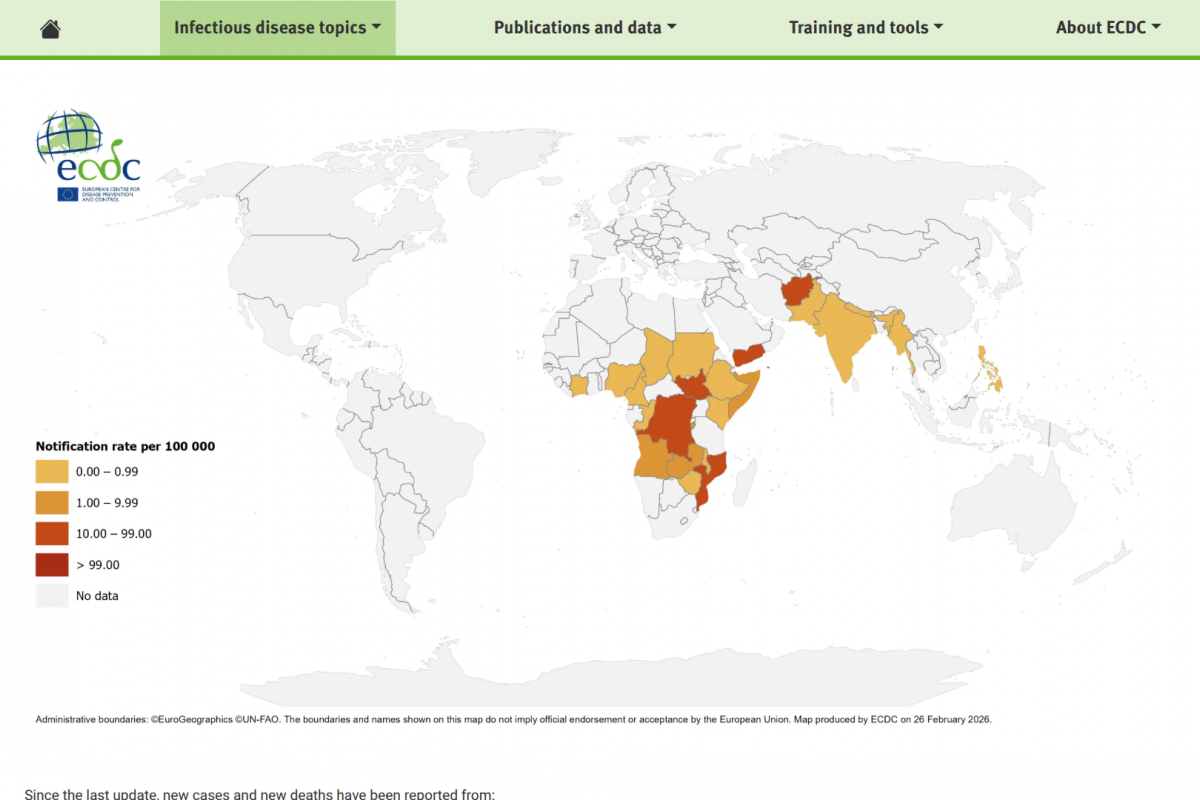
For the latest updates on the global measles outbreak, visit Vax-Before-Travel.com.
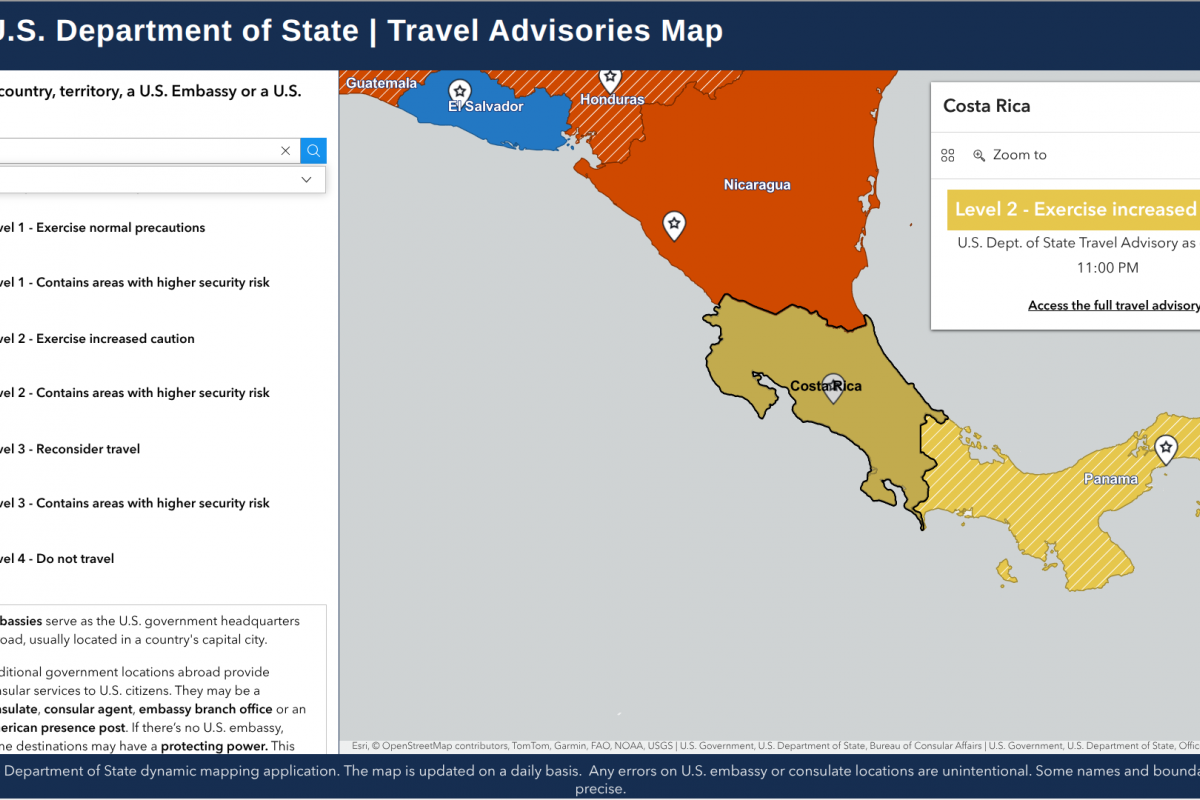
And for security advisories, visit the U.S. Department of State, which has published a Level 2 notice for Costa Rica.